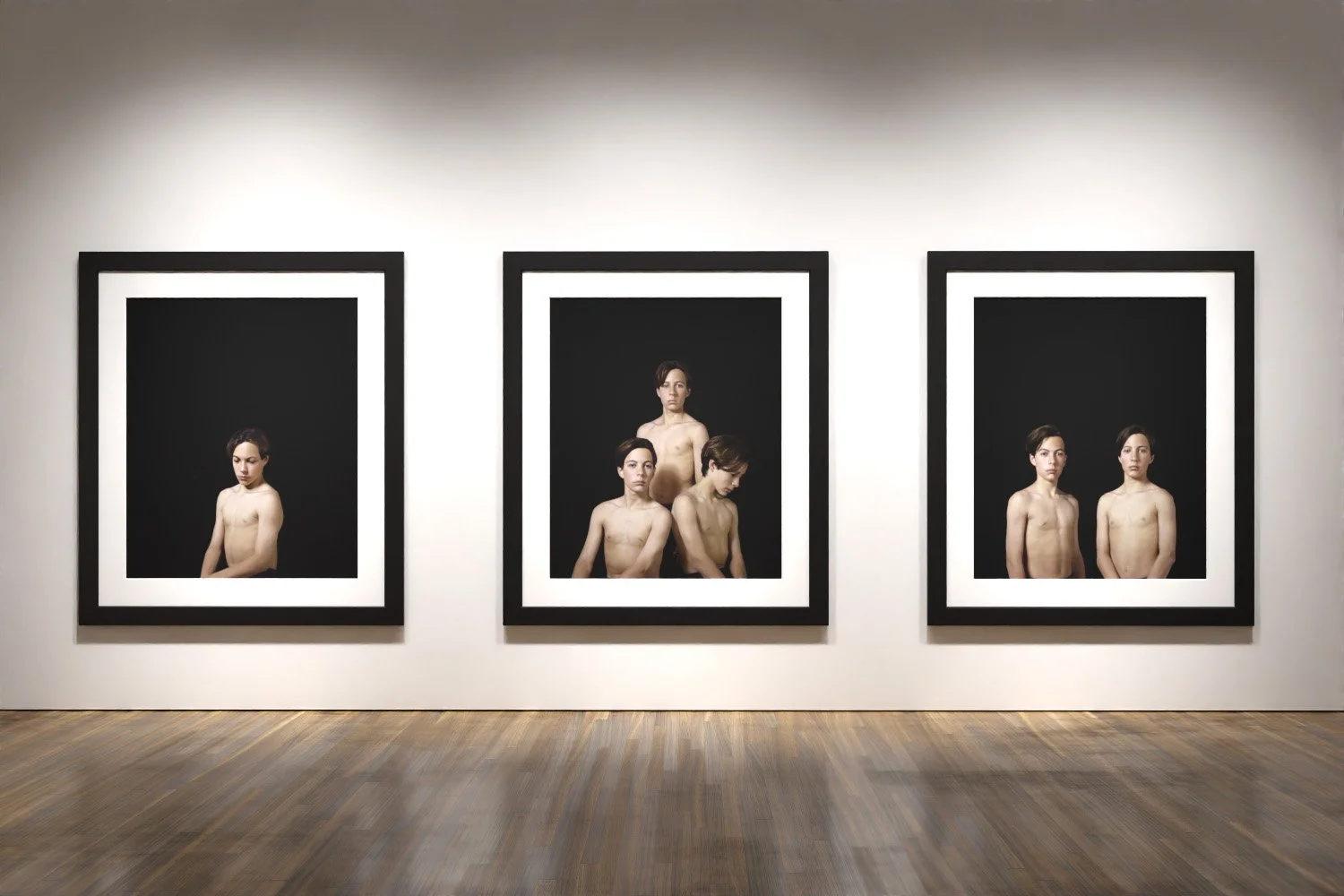
Fictitious Portraits, 1992
Fictitious Portraits began with the looking glass in Alice in Wonderland. I was thinking about photography as the glass through which we had learned to see the world and ourselves. A photograph appeared to reflect what was in front of the camera, but it also helped determine what we accepted as real—and how we imagined a person should look.
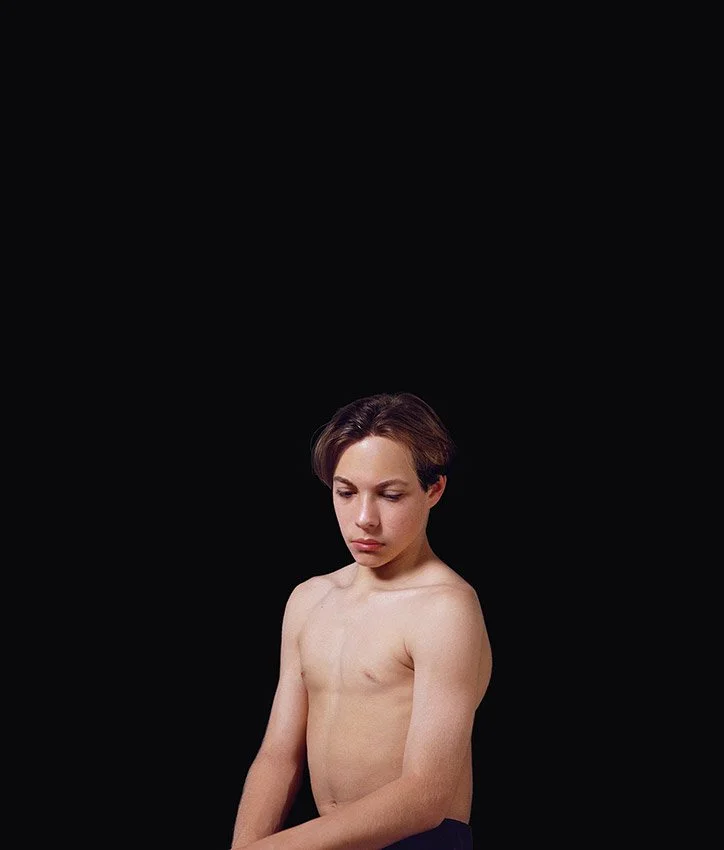
The series consists of three portraits showing one, two, and three versions of the same boy. They are not separate individuals, twins, or triplets. They are different states of one invented person: looking outward, turning inward, and encountering other versions of himself.
The boy was partly an idealized version of my younger self. I chose someone at the threshold of adolescence because that age seemed to mark a passage from innocence into self-awareness. He is beginning to understand that other people are looking at him and forming judgments—and that he must begin creating a version of himself for the world. The figures are bare so clothing cannot identify their decade, social position, or personality. Suspended within a depthless black space, they appear timeless, isolated, and still in the process of becoming.
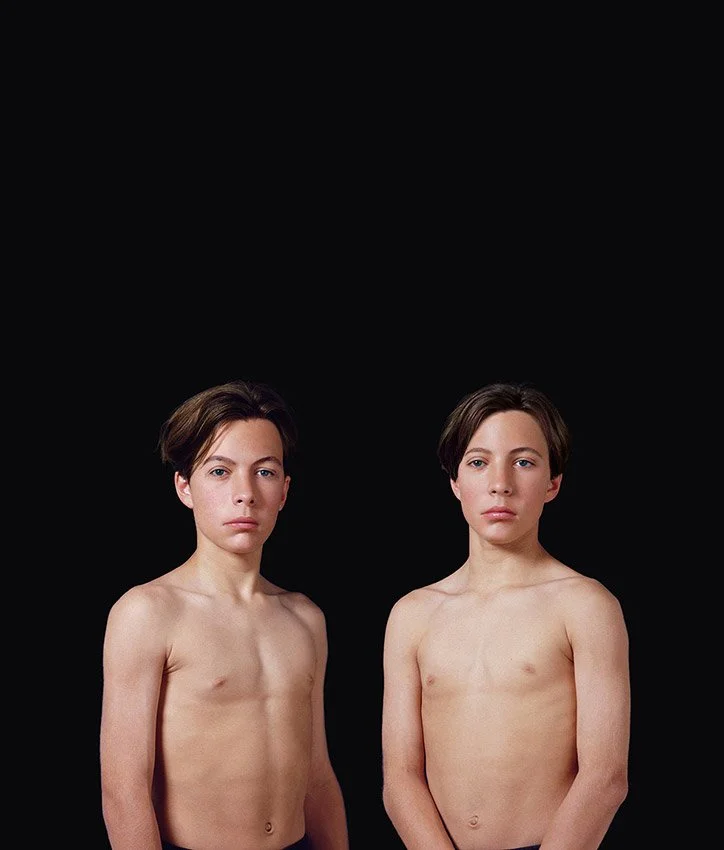
I constructed the boy from old photographs of myself, drawings, clay sculptures, and photographs of a friend’s child. After scanning these sources, I digitally combined his skin and mine with the modeled and drawn figures. The finished portraits look like photographs of someone who stood before a camera, but no such person ever existed.
Seen today, when AI can generate convincing people almost instantly, the method feels painstaking. But the central question remains: does a photograph show us who someone is, or does it give us the materials from which a person—and a self—can be invented?
This final question opened outward in my next project, History Repurposed. Instead of constructing one fictitious person, I began constructing the photographic evidence of an entire fictitious past.

Constructing the Boy
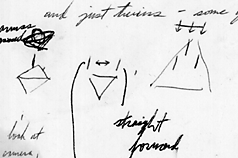
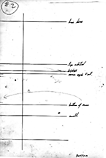
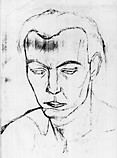
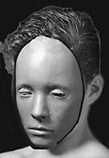
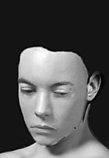
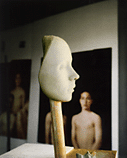
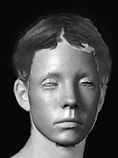
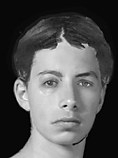
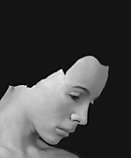
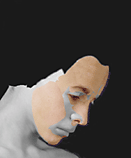
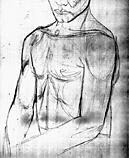
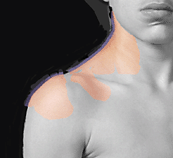
The boy did not begin with a single model. I studied old photographs of myself, made drawings, and sculpted versions of the head and body in clay. I also photographed a friend’s child and scanned the different sources into Photoshop. Pieces of his skin and mine were then fitted over the photographed sculptures and drawings.
The process moved repeatedly between memory, observation, and invention. No one source supplied the finished figure. Like the identity depicted in the portraits, the boy was assembled from different versions of a person until he appeared to be someone who could have existed.
Selected Publications

EXHIBITION CATALOGUE · 1995
Digital imaging, photographic truth, and identity in the 1990s.

EXHIBITION CATALOGUE · 1999
Portraiture, constructed identity, and the fiction of the photographic self.
NEWSPAPER DOSSIER · 1999

BOOK · 2002
Beauty, digital imaging, and photography at the turn of the century.
Four Die Zeit articles on cloning, bioethics, genetic selection, and the future of humanity.

BOOK · 2005

Digital image-making and the changing definition of photography.
BOOK · 2007
Introduces the materials, techniques, historical contexts, and ideas through which artworks are created and understood.