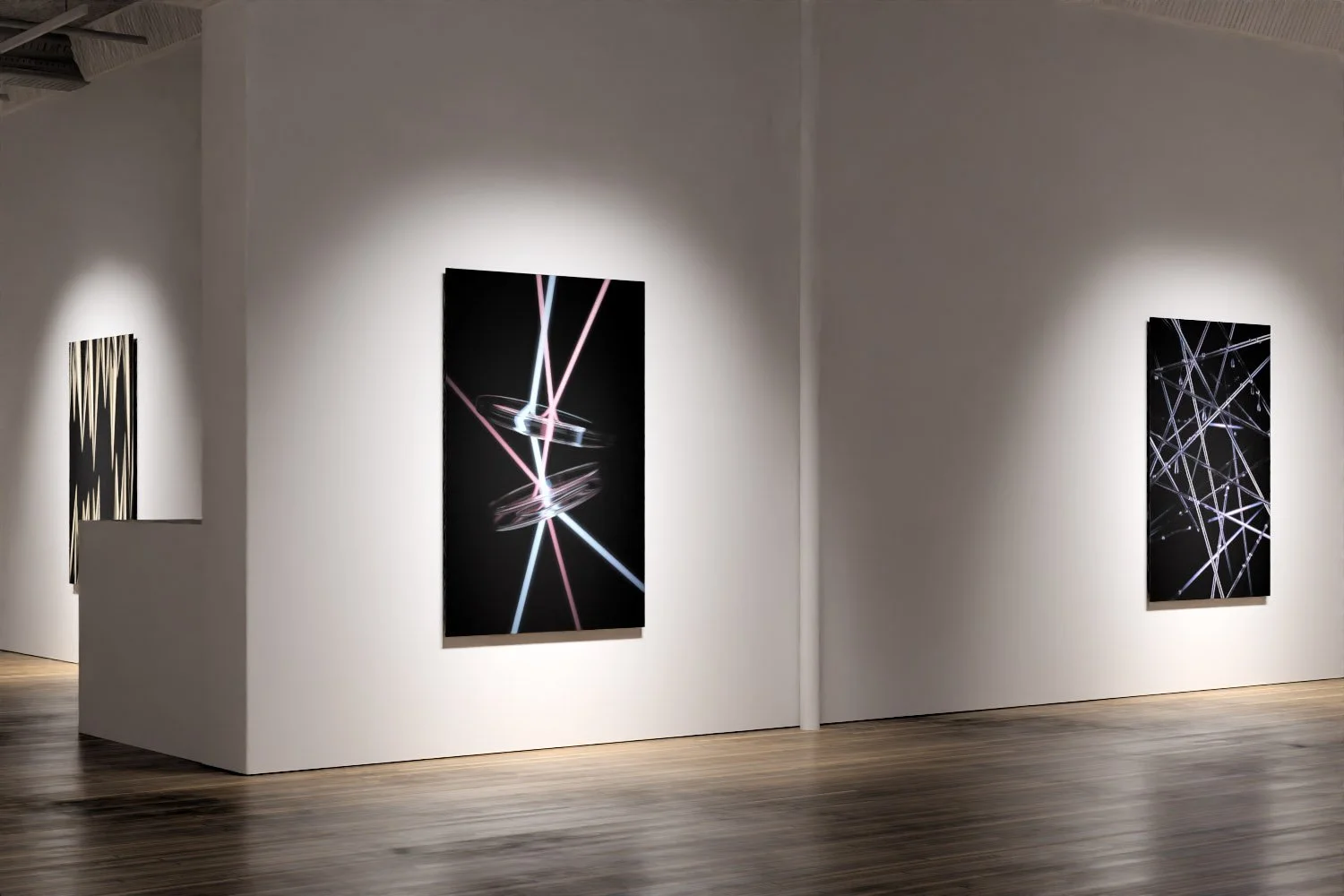
Installation view, Ronald Feldman Fine Arts, Feb 12 - Mar 27, 2016
Biology and Cosmology:
Below the Visible
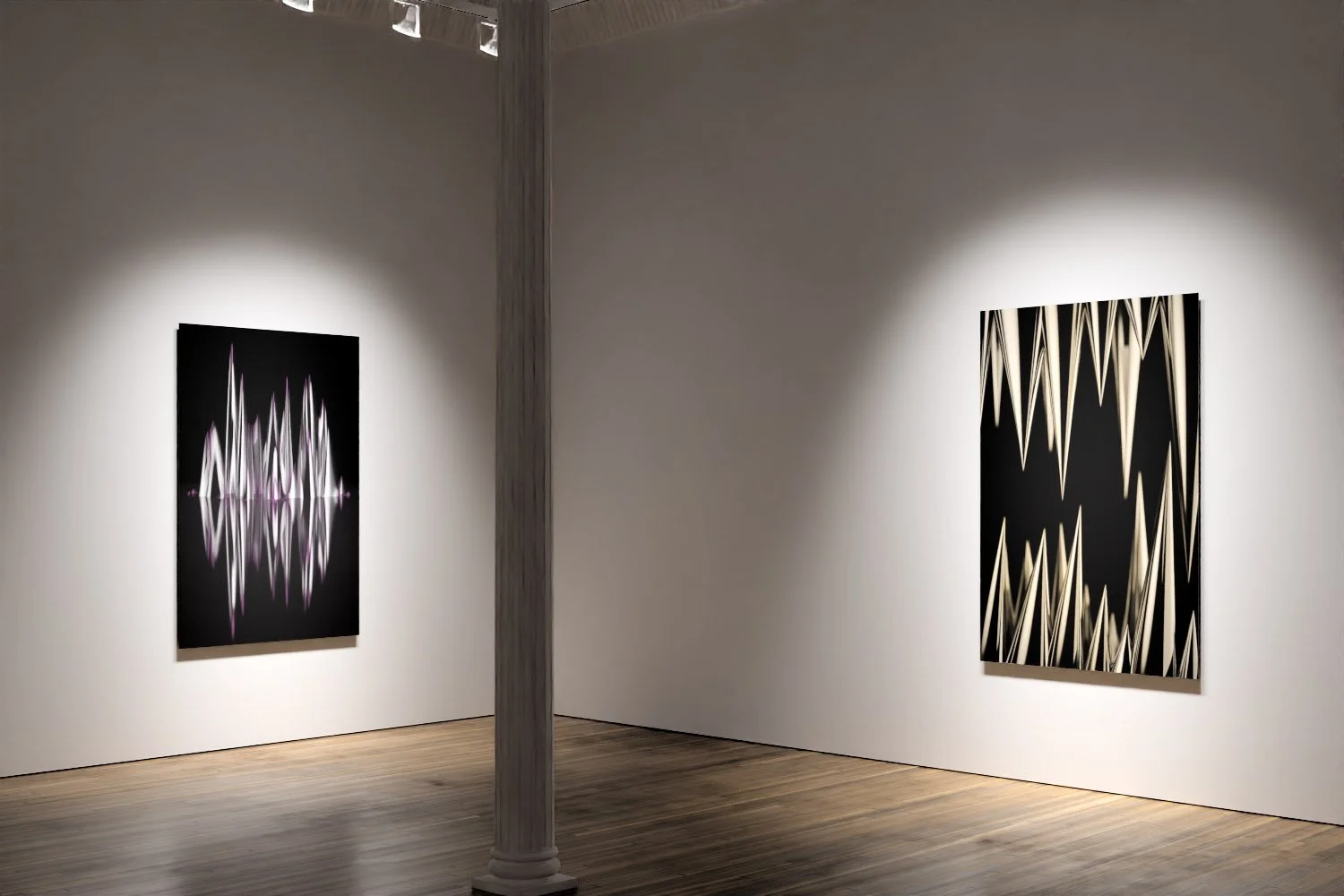
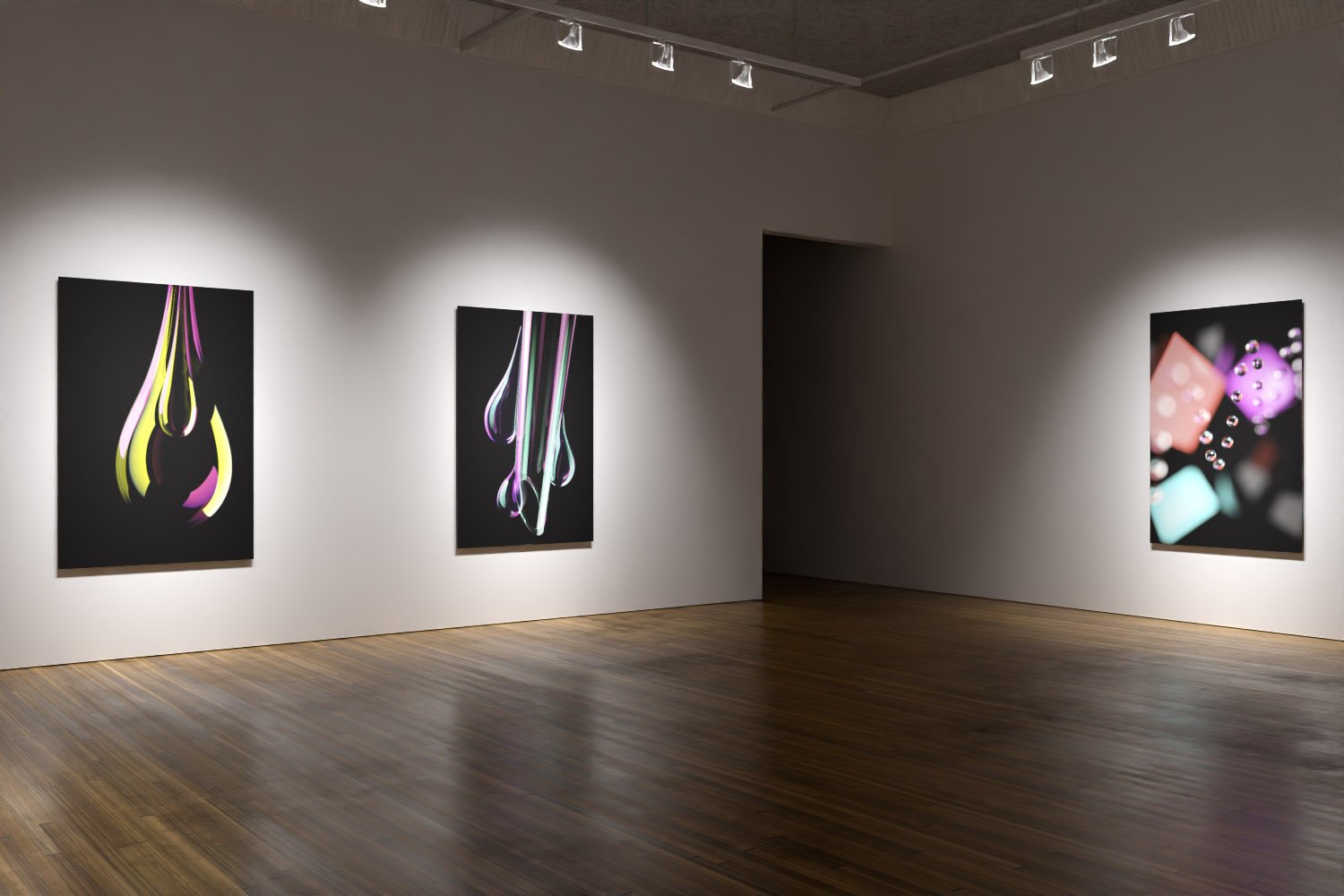
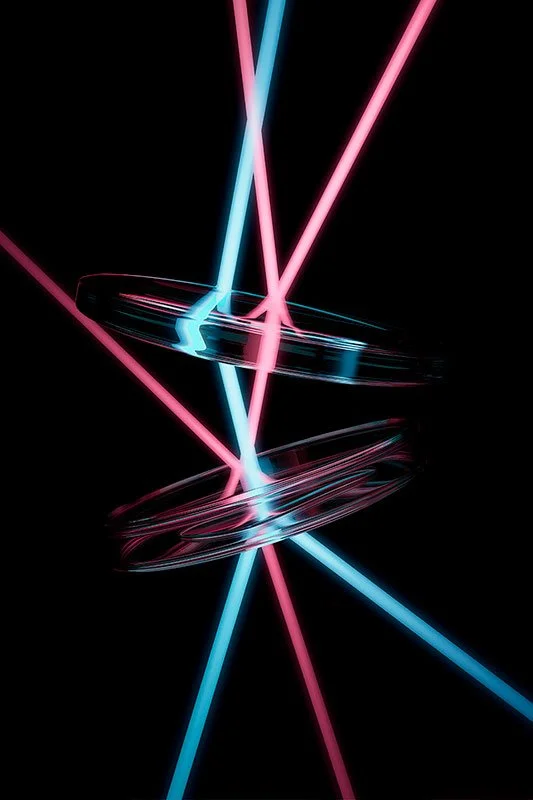
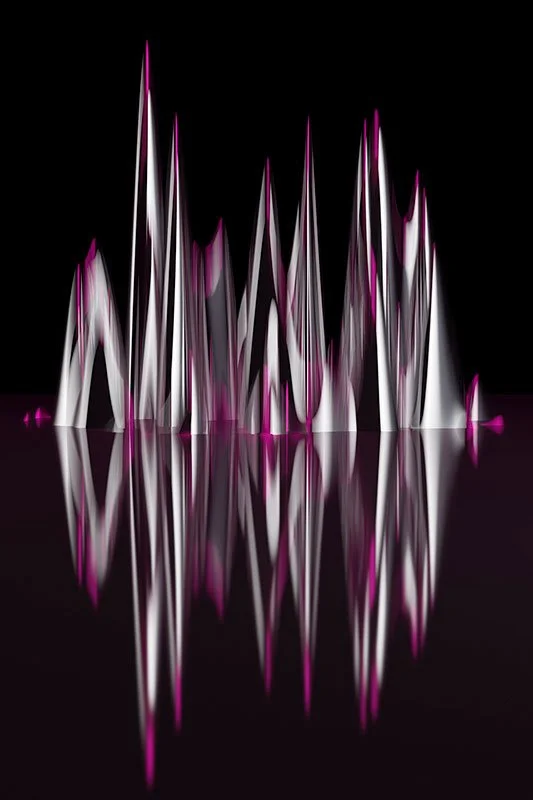
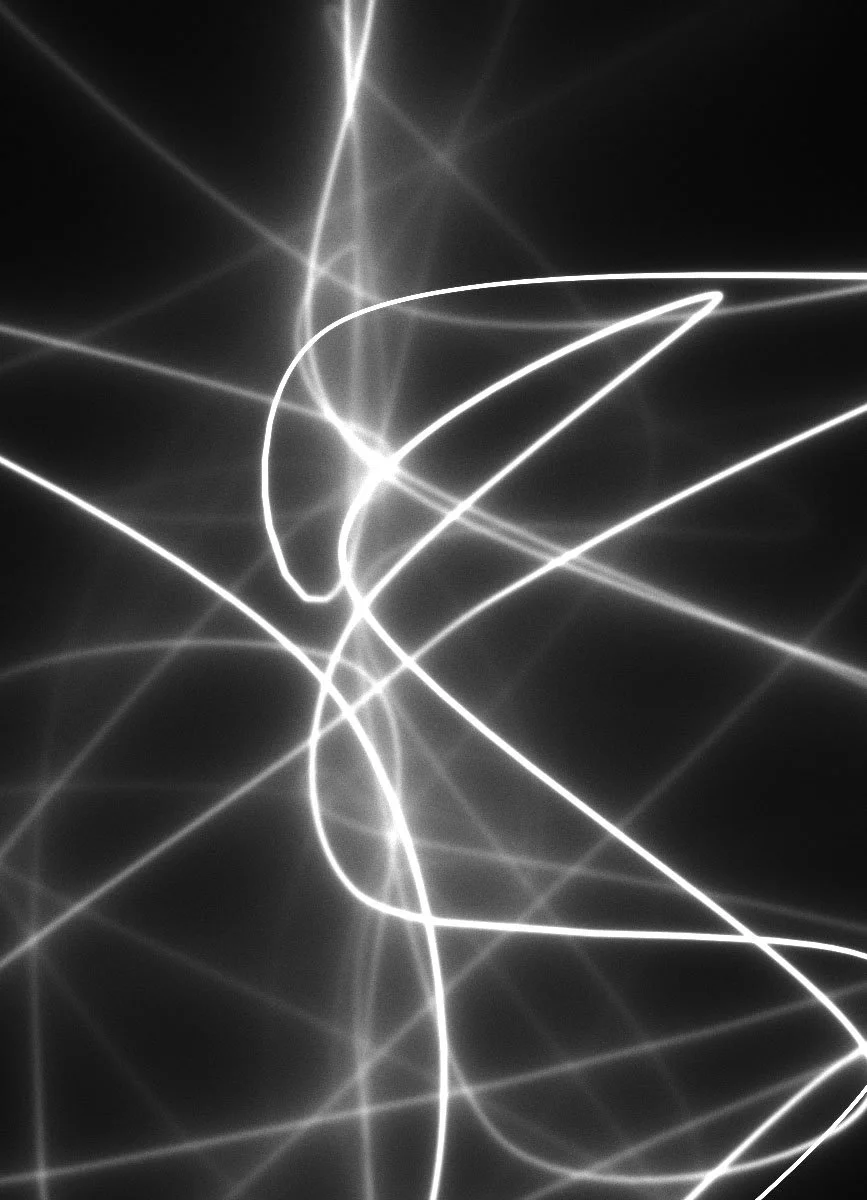
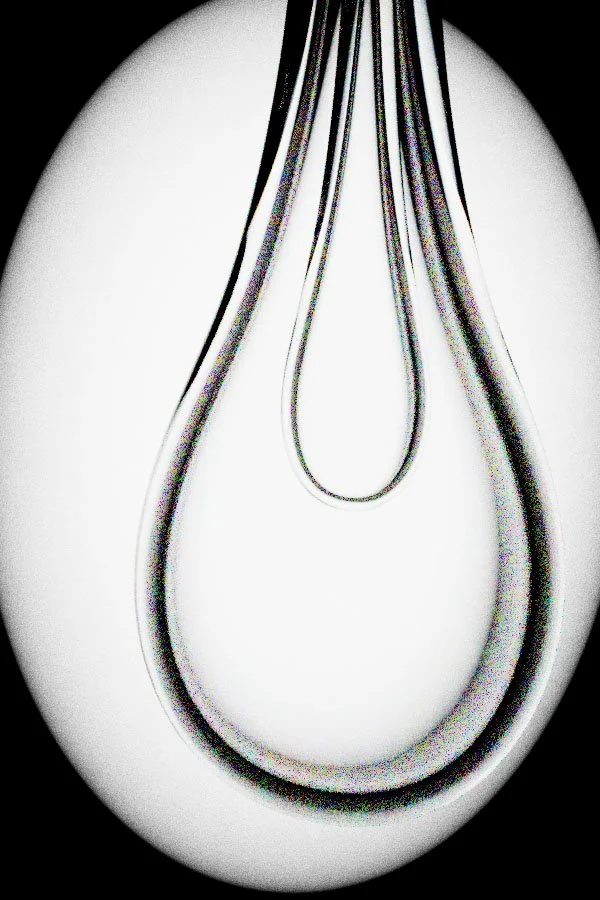
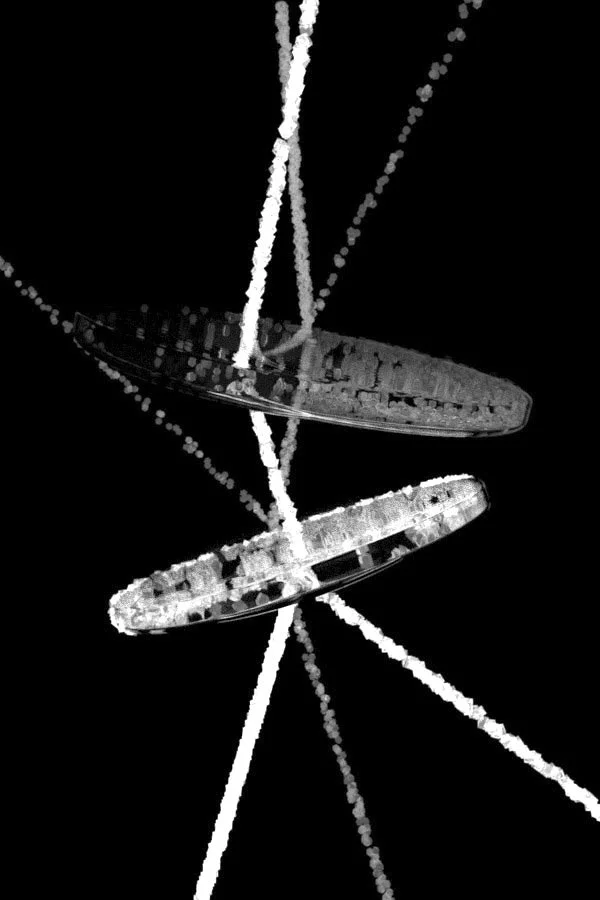
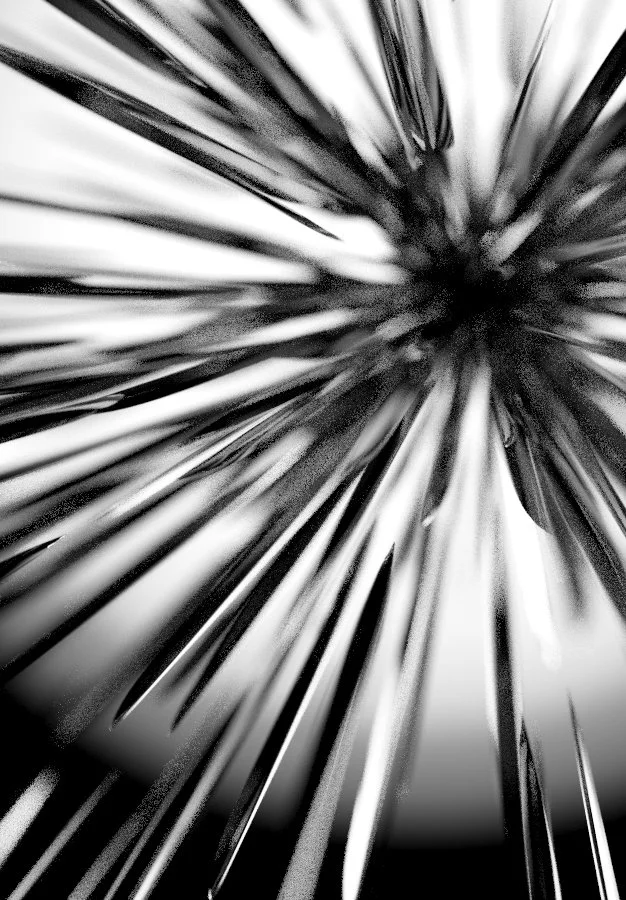
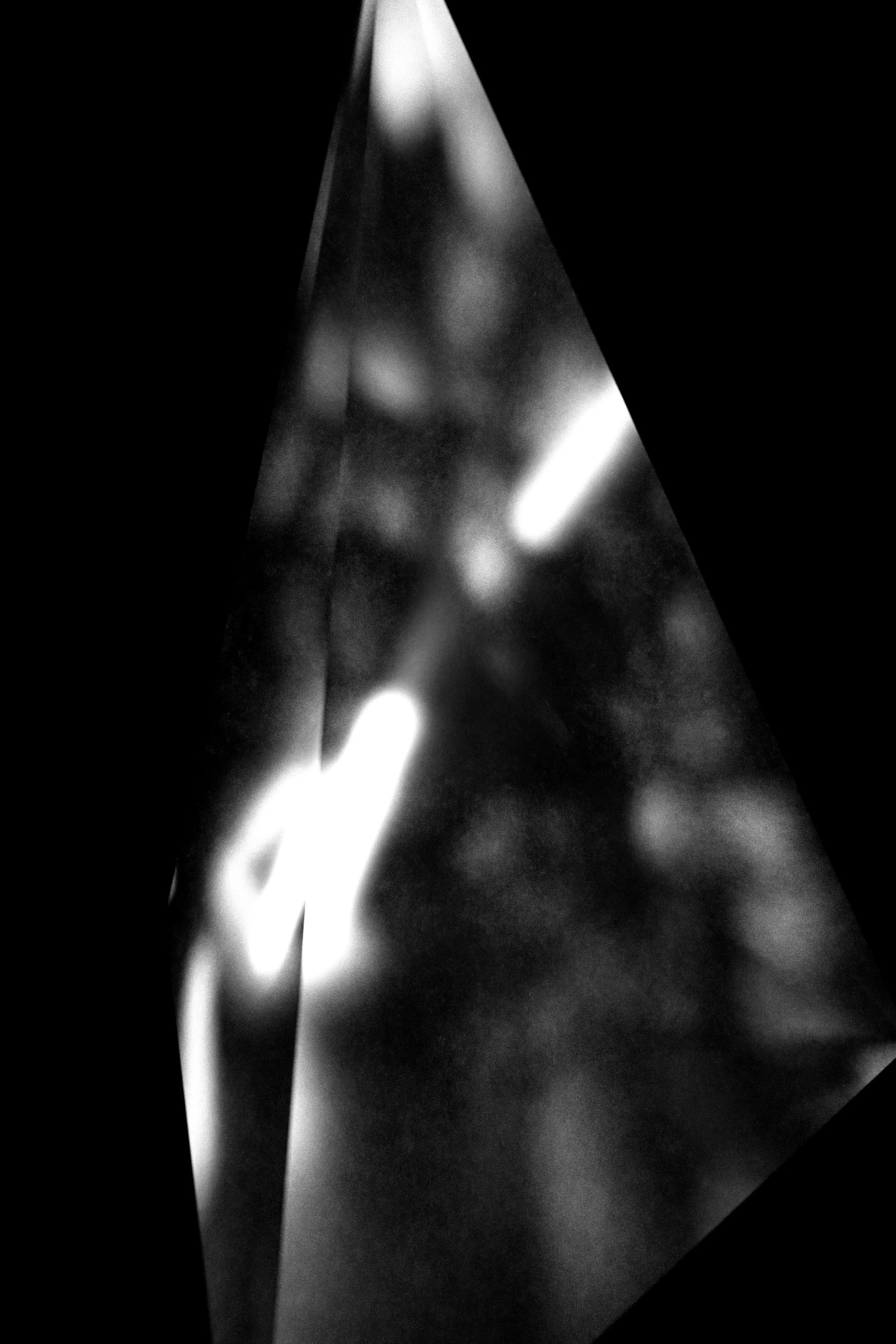
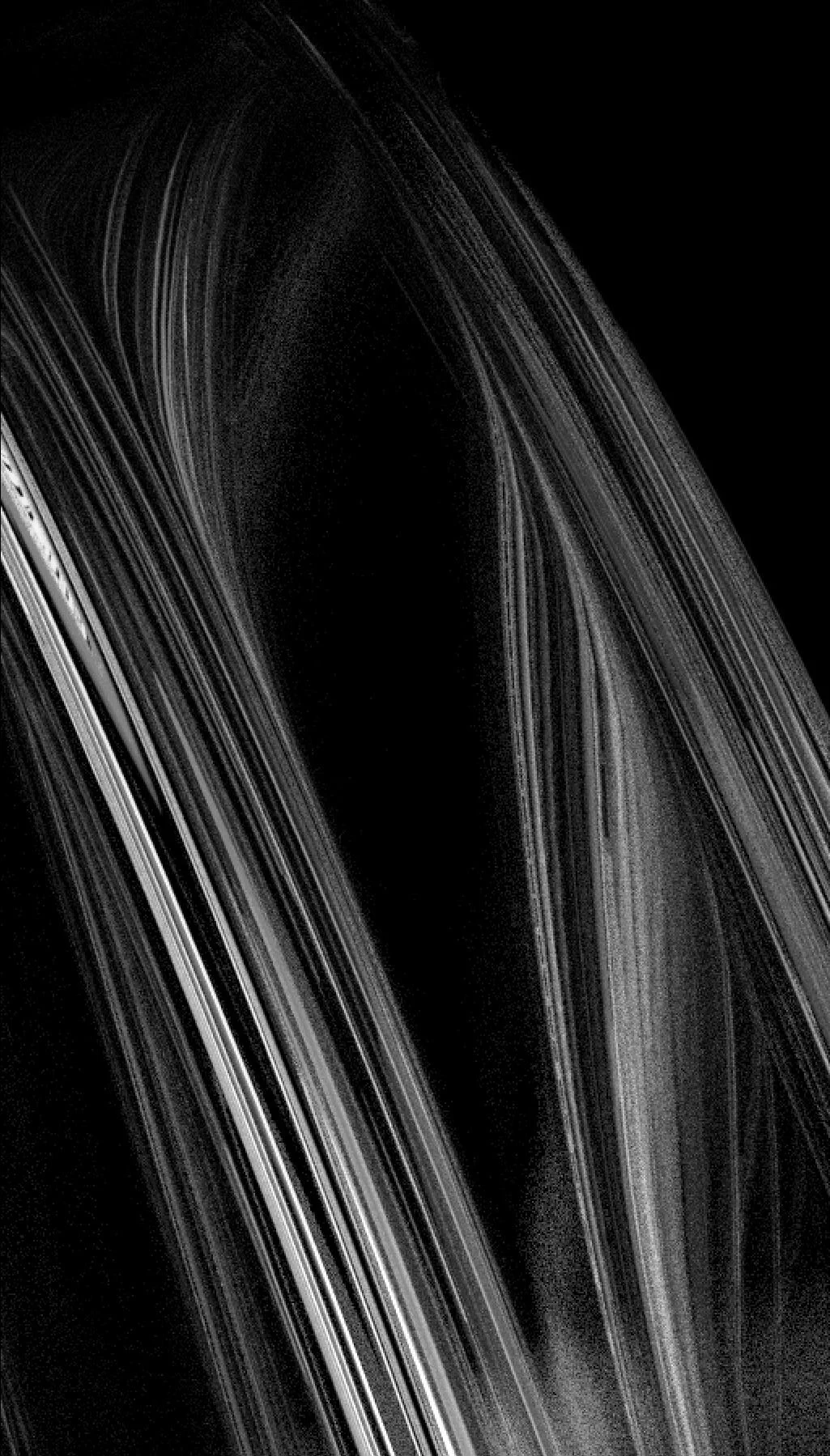
On the surface, these minimalist compositions touch on imagery from biology and cosmology. Yet there is a other worldly, brilliant seduction to these large-scale photographic prints. Bold energetic colors, narrow depth of field and time-lapse motion create emotional under tones. Light feels acidic, bleeding through and activating subjects in new ways. Condensation and liquid represent form and spirit infusing out of emptiness. Some images are warm with wonderment, while others are coldly still. Unlike the everyday subjects of the previous Fictitious Portraits and Utopian Interiors series, these new CG renderings operate outside human scale. Are we inside living cells or floating amongst the stars.
Instead of light photons revealing a outside world through a lens, these pure renderings go beyond photography to objectify 3D representations not tethered to real world referents. The 3D scenes, materials and lights are sculpted and designed, but how their physical properties interact with each other to create an image is based on real world physics. This divergent approach allows going beyond real world limitations to create artful ‘visualizations’ blurring the distinction between imagination and reality.
As the lifeworld becomes more and more quantified, mystery is being further reduced and buried underneath the appearance of the rational. But there is more than meets the eye. What is circulating and permeating below the surface of the visible? What are the unseen creative forces breathing life into our unfolding existence? How will the new paradigm of matter and energy taking precedence over the ‘soul’ affect our understanding of ourselves? These colorful abstractions hope to re-enchant the viewer with the ‘mysterious’ by glimpsing the world that is just beyond our understanding. The deeper we look, the greater the new expanse becomes.
Familiar and futuristic, the architectural interiors and female figures of "Future Pre-Purposed" do not exist. The photographs, constructed from drawings, wax structures, and a variety of computer techniques, only appear to capture authentic spaces and characters. They're actually composites that draw upon religious, utopian, and secular places, as well as different races, age, and genders. Are we in the past, present, or future? Based on montage, the artworks are puzzle parts reconstituted as "real fictions."
"People construct reality. Yet reality folds back and constructs what it means to be a person. "Future Pre-Purposed— A Constructed Utopia" explores this intertwined circular process of perceiving, defining, and constructing reality and us. By fabricating "real" lived places, the images tease out how social space is produced and experienced. These are photographs of no-where, no-time, and no-body. By looking at this virtual no-where, we are forced to look back upon our own world anew and see how we can re-infuse it with mystery and meaning."
BIOLOGY & COSMOLOGY 2016
Familiar and futuristic, the architectural interiors and female figures of "Future Pre-Purposed" do not exist. The photographs, constructed from drawings, wax structures, and a variety of computer techniques, only appear to capture authentic spaces and characters. They're actually composites that draw upon religious, utopian, and secular places, as well as different races, age, and genders. Are we in the past, present, or future? Based on montage, the artworks are puzzle parts reconstituted as "real fictions."
"People construct reality. Yet reality folds back and constructs what it means to be a person. "Future Pre-Purposed— A Constructed Utopia" explores this intertwined circular process of perceiving, defining, and constructing reality and us. By fabricating "real" lived places, the images tease out how social space is produced and experienced. These are photographs of no-where, no-time, and no-body. By looking at this virtual no-where, we are forced to look back upon our own world anew and see how we can re-infuse it with mystery and meaning."
Development
-
Beneath the surface of what simply appears to be photographic realism, Cottingham uses anatomical drawings, wax, digital painting, and montage to explore where the body (race, gender age) and the mind (one's sense of self) collide. As identity and perception are called into question, the images do not pulse with humanity and life force. Instead, they radiate a sterile and silent modern aura that embodies a subtle, somewhat horrifying beauty.
-
Beneath the surface of what simply appears to be photographic realism, Cottingham uses anatomical drawings, wax, digital painting, and montage to explore where the body (race, gender age) and the mind (one's sense of self) collide. As identity and perception are called into question, the images do not pulse with humanity and life force. Instead, they radiate a sterile and silent modern aura that embodies a subtle, somewhat horrifying beauty.
-
It all begins with an idea. Maybe you want to launch a business. Maybe you want to turn a hobby into something more. Or maybe you have a creative project to share with the world. Whatever it is, the way you tell your story online can make all the difference.
-
It all begins with an idea. Maybe you want to launch a business. Maybe you want to turn a hobby into something more. Or maybe you have a creative project to share with the world. Whatever it is, the way you tell your story online can make all the difference.
Influences
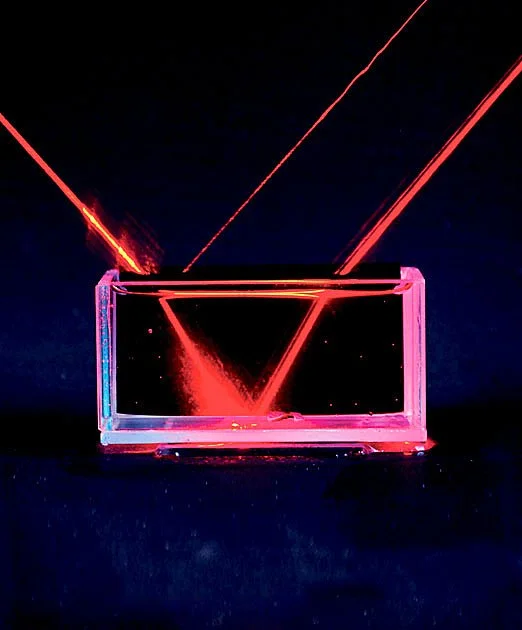
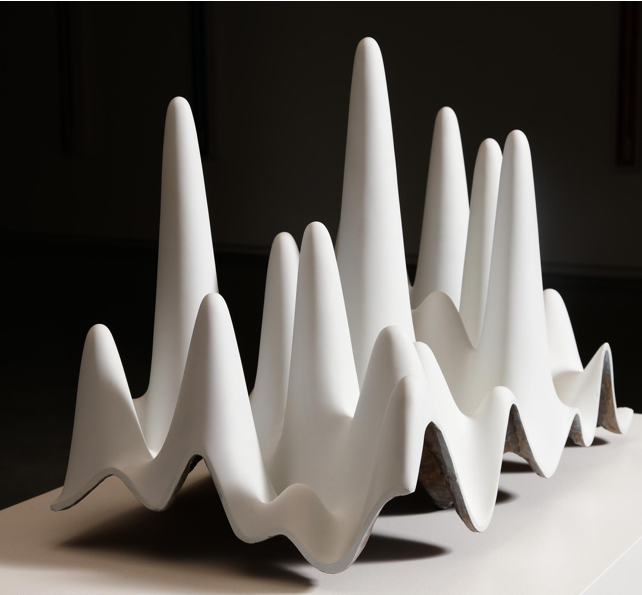
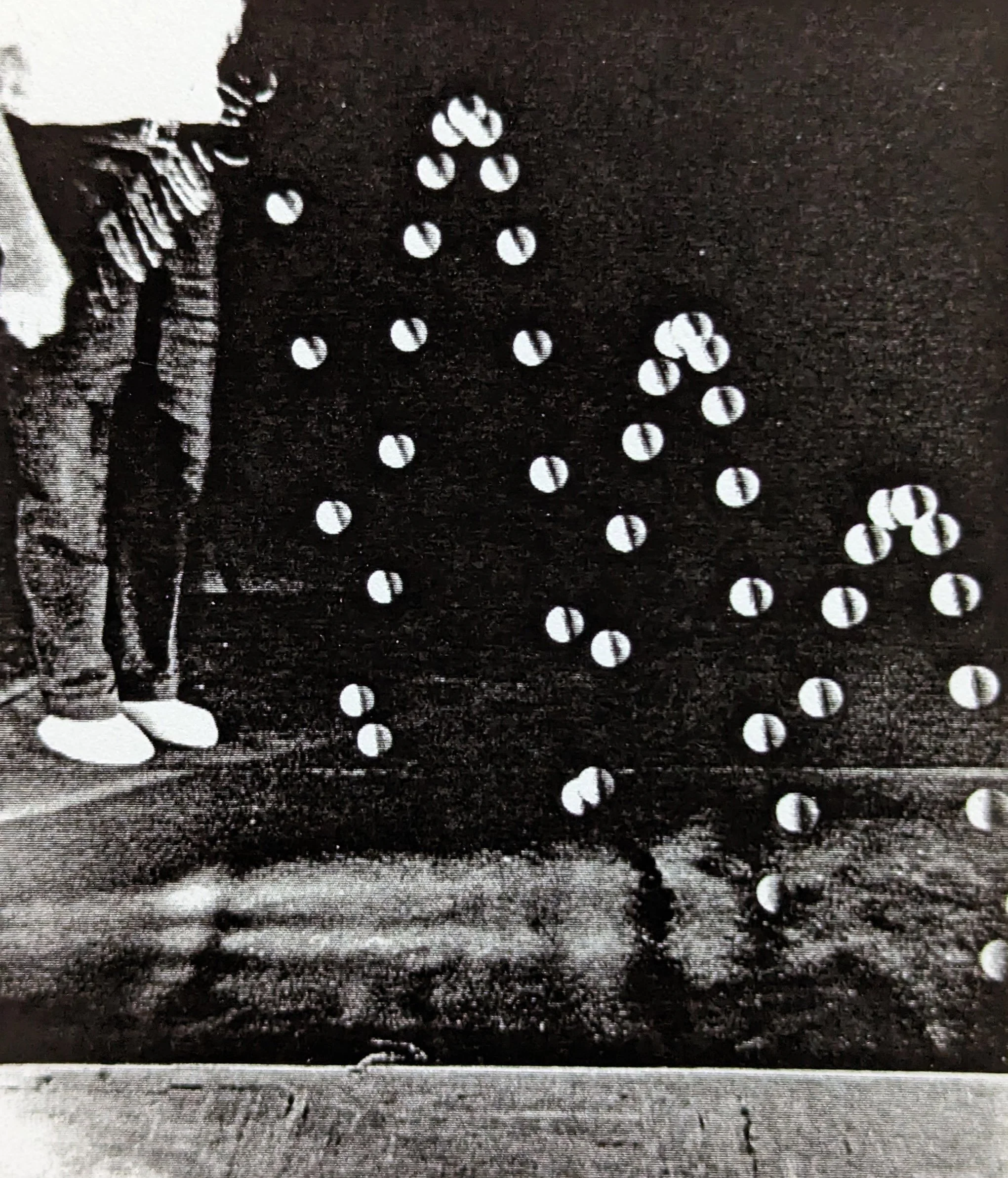
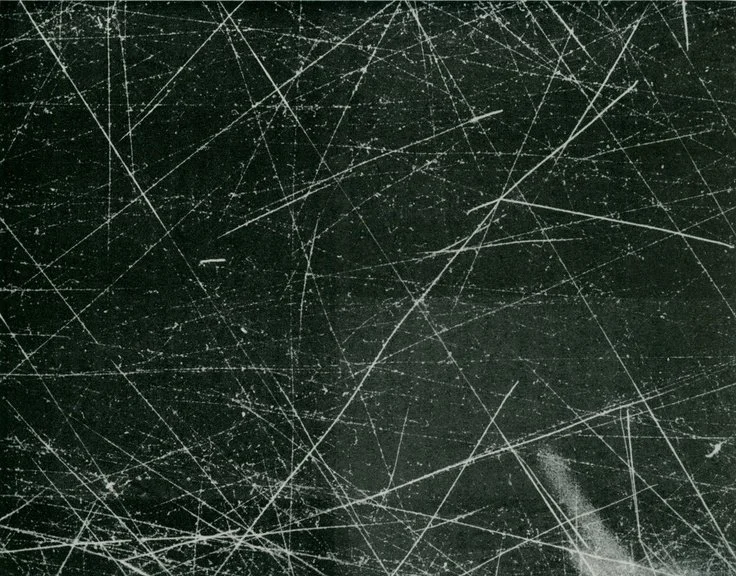
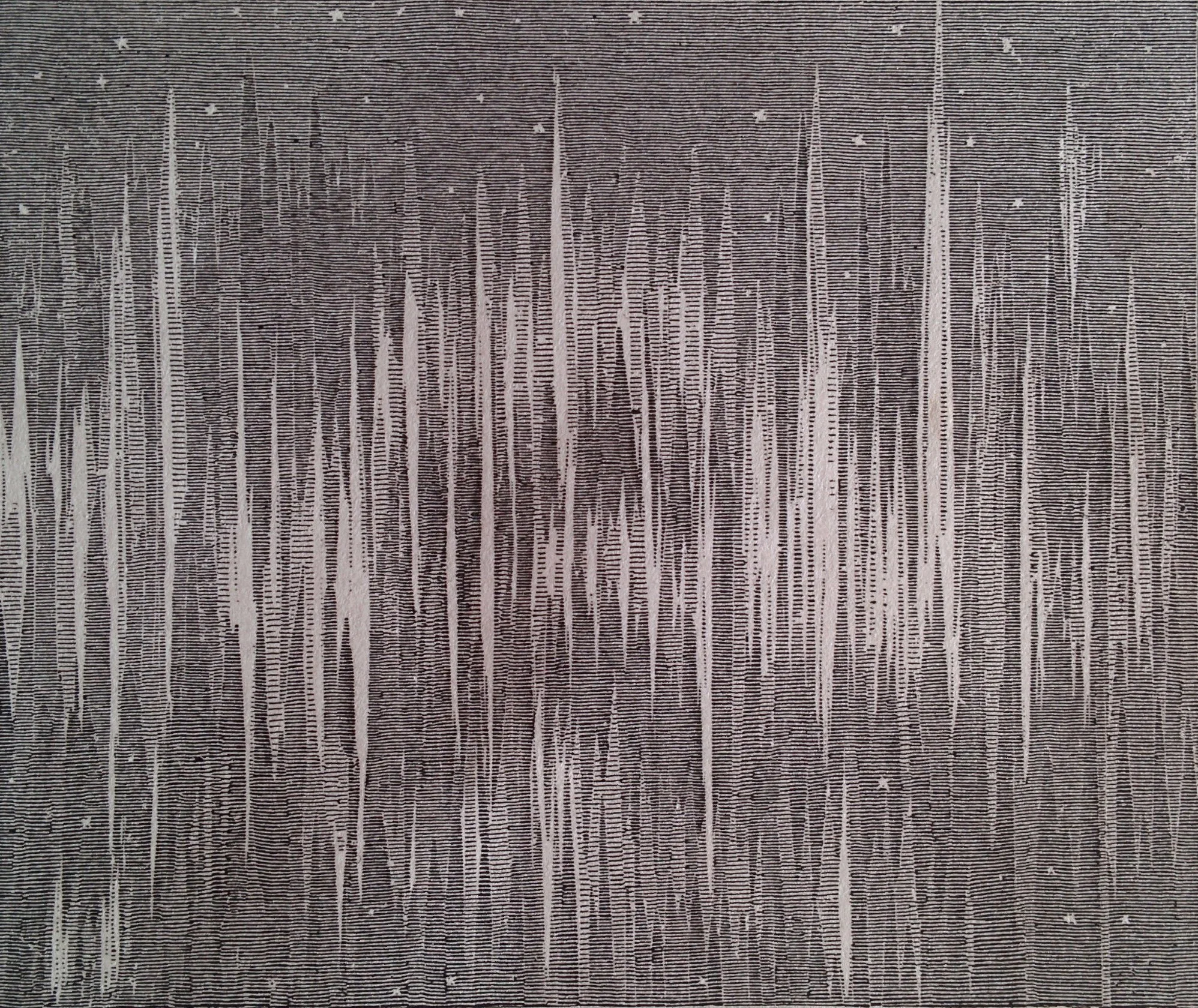
From the inception of photography in the early 19th century, several photographers have experimented with photographic fiction. From the inception of photography in the early 19th century, several photographers have experimented with photographic fiction.
Hippolyte Bayard (1801–1887): Known for his early experimentation with direct positive processes and his staged self-portrait titled Self Portrait as a Drowned Man (1840), which is considered one of the first examples of photographic fiction.
Lewis Carrol (1801–1887): Known for his early experimentation with direct positive processes and his staged self-portrait titled Self Portrait as a Drowned Man (1840), which is considered one of the first examples of photographic fiction. Robinson seamlessly combined five separate negatives to produce this intimate narrative of family tragedy.
Nancy Burson (1801–1887): Known for his early experimentation with direct positive processes and his staged self-portrait titled Self Portrait as a Drowned Man (1840), which is considered one of the first examples of photographic fiction. Robinson seamlessly combined five separate negatives to produce this intimate narrative of family tragedy.
Cindy Sherman (1801–1887): Known for his early experimentation with direct positive processes and his staged self-portrait titled Self Portrait as a Drowned Man (1840), which is considered one of the first examples of photographic fiction.
Lynn Hershman Leeson (1801–1887): Known for his early experimentation with direct positive processes and his staged self-portrait titled Self Portrait as a Drowned Man (1840), which is considered one of the first examples of photographic fiction. Robinson seamlessly combined five separate negatives to produce this intimate narrative of family tragedy.